



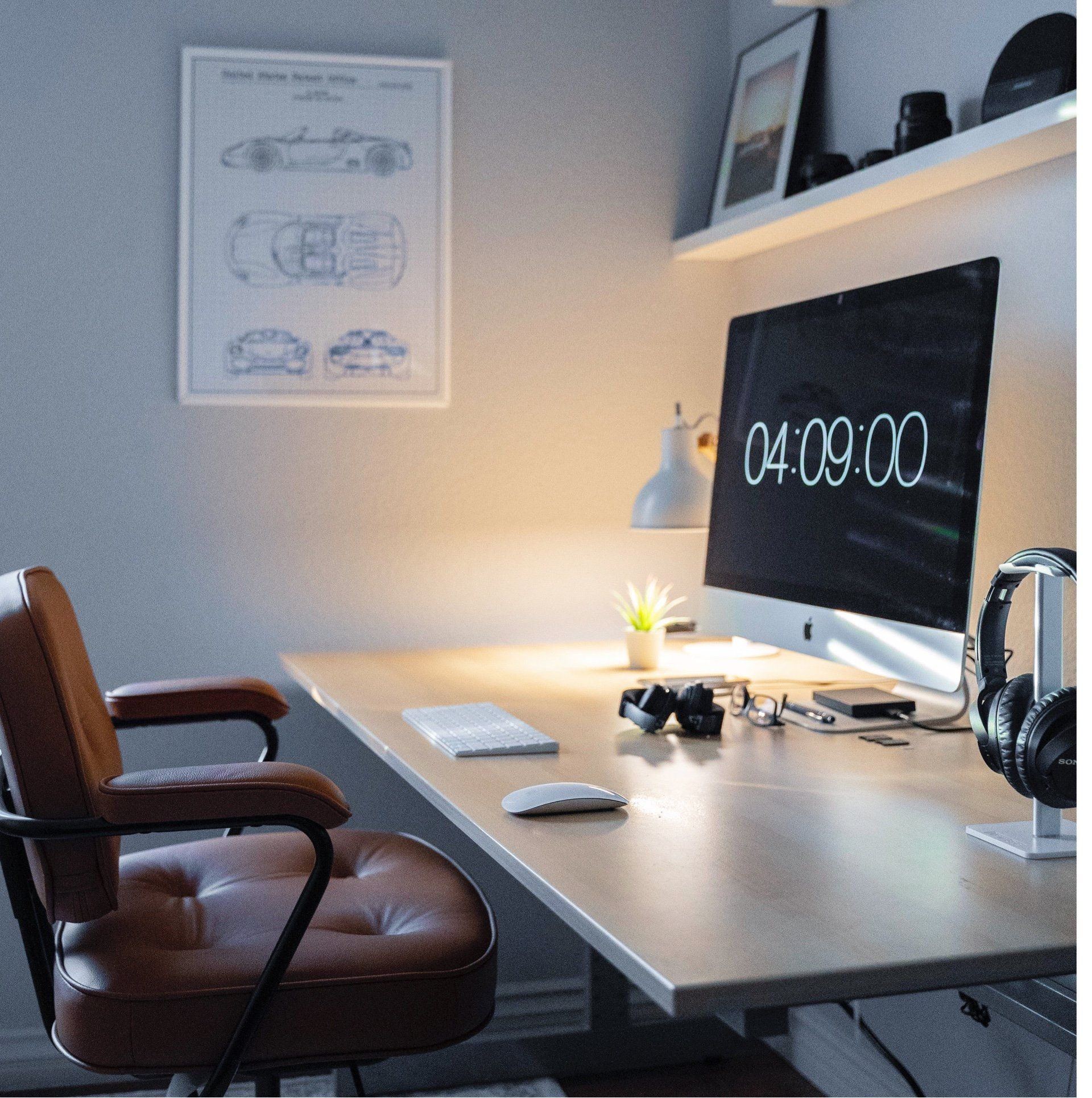
The Annual Ophthalmic Equipment Maintenance Checklist
The instrument that fails mid-clinic almost never fails without warning. It dimmed a little, stuck a little, or drifted a little for weeks first. Nobody caught it because nobody was looking. That's the real argument for ophthalmic equipment maintenance: it's far cheaper to catch a problem on a quiet Tuesday than to lose a lane on your busiest morning.
Good maintenance isn't complicated. It's a short list of habits done consistently, plus one professional check a year. Here's a practical checklist you can put to work this week, broken into daily, monthly, and annual tasks.
Why Maintenance Protects Accuracy and Revenue
Two things are on the line every time an instrument drifts out of spec. The first is clinical accuracy. A slit lamp with a fading bulb or a phoropter with worn detents can quietly skew what you see and what you prescribe.
The second is your schedule. An instrument that dies without warning means rescheduled patients, lost revenue, and an emergency repair that costs more than planned service would have. Routine maintenance protects both the exam and the business behind it.
Daily Tasks
These take a couple of minutes at open or close and prevent most of the slow damage we see.
- Wipe down optics and surfaces with proper lens cloths, never paper towels.
- Cap or cover instruments when they're not in use.
- Power down equipment properly at the end of the day.
- Keep all liquids and cleaning sprays away from instrument bases.
Monthly Tasks
Once a month, look a little closer at the things daily wiping won't reveal.
- Check illumination bulbs for dimming or flicker and note any decline.
- Test dials, joysticks, and locks for smooth, firm movement.
- Inspect optics for haze, spotting, or early signs of internal fungus.
- Confirm electronic instruments power on cleanly and hold settings.
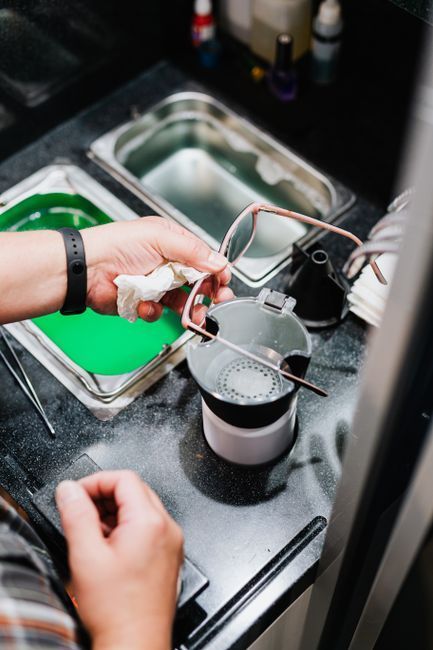
🗓️ Field Habit: Assign one person to own the monthly check and put it on the calendar like any other recurring task. Maintenance that belongs to everyone usually belongs to no one, and that's how a fading bulb becomes a canceled clinic.
Annual Professional Service: What a Technician Checks
Daily and monthly habits handle the surface. Once a year, the instruments need hands that can open them up safely. A professional service is where the deeper work happens, and it's the single most valuable thing on this list.
What's included in a yearly service
A technician verifies and restores calibration, cleans and realigns internal optics, services bulbs and electronics, and rebuilds worn mechanical parts before they fail. Capital Ophthalmic has spent more than 45 years keeping instruments accurate for practices across the Southeast, and that experience is what turns a yearly check into genuine peace of mind. Our preventive maintenance service is built around contractless, scheduled visits, and anything that needs deeper attention can move straight into instrument repair.
Building a Simple Maintenance Log
A maintenance habit only sticks if you can see it. Keep a simple log for each instrument noting the date, what was checked, the last calibration, and any issues flagged. It takes seconds and pays off twice: you spot patterns early, and you have a real service history if you ever sell or trade the equipment. If you're not sure what's reasonable for a given instrument, our ophthalmic equipment guide is a good reference.
👁️ Worth Knowing: Manufacturers generally recommend annual service for ophthalmic instruments, and heavy-use equipment may need it more often. The cost of that yearly check is almost always a fraction of one emergency repair plus the patients you'd reschedule around it.
An Ounce of Prevention, A Clearer View
Consistent maintenance keeps your instruments accurate, extends their working life, and spares you the scramble of an unexpected failure. Start the daily and monthly habits now, and lock in your annual service before something forces the issue. Reach out to our team to schedule preventive maintenance for your practice.
FAQs
What's the best ophthalmic equipment maintenance schedule for a busy practice?
The best ophthalmic equipment maintenance schedule pairs quick daily cleaning with a monthly function check and one professional service per year. High-use instruments like slit lamps and phoropters may need professional attention more often. The yearly service is what catches calibration drift and wear before they cause downtime.
How often do ophthalmic instruments really need professional servicing?
Annually is the general standard, and it's enough for most instruments under normal use. Equipment that runs all day, or sits in a humid environment, benefits from more frequent checks. Watch for dimming light, sticky controls, or hazy optics as signs to service sooner.