




Selling Used Ophthalmic Equipment: Value, Process & Fair Offers
There's a good chance you have thousands of dollars sitting idle in a back room or a closed lane right now. A retired slit lamp, the phoropter you upgraded away from, the keratometer nobody uses anymore. To you it's clutter. To the right buyer, it's working inventory.
Whether you're retiring, upgrading, or closing a location, selling your used ophthalmic equipment turns that idle gear into cash. This guide covers when to sell, what determines value, which brands hold their worth, and how a fair, fast offer actually works.
When It Makes Sense to Sell
The clearest moment is during a transition. Practices selling equipment are usually retiring, consolidating locations, or upgrading to newer instruments and left with perfectly good units they no longer need. There's no reason for those to depreciate in storage.
Even a single replaced instrument is worth selling rather than shelving. Ophthalmic equipment doesn't improve sitting in a closet. Dust, humidity, and time only chip away at its condition and its value, so the best time to sell is usually sooner than you think.
What Determines Resale Value
Three things drive what your equipment is worth, and understanding them helps you set realistic expectations.
Brand and model
Instruments from established manufacturers hold value because parts and service stay available, and buyers trust the build. A well-known model in steady demand will always fetch more than an obscure or discontinued one.
Condition and demand
Working order, clean optics, and complete accessories all raise the offer. Cosmetic wear matters less than function. An instrument that powers on, holds calibration, and comes with its original parts is far easier to resell, which means a stronger offer for you.
💰 Seller's Move: Before you reach out, gather the model names and snap a few clear photos in good light, including the serial plates. The more a buyer can see up front, the faster and more accurate your offer will be.
Brands That Hold Their Value
Some names move quickly on the used market because demand for them never really fades. The brands we actively look for include Alcon, Topcon, Reliance, Marco, Reichert, and Haag-Streit. If your equipment carries one of these names, there's a strong chance it has real resale value.
That said, don't assume an off-list brand is worthless. We consider all offers, and plenty of lesser-known instruments still find buyers. The only way to know is to ask.
How Our Buying Process Works
We kept this deliberately simple. You send a photo and the location of the equipment, we review it and make you an offer, and if you accept, we handle the logistics of getting it from your office to ours. No drawn-out back-and-forth and no pressure.
Capital Ophthalmic has spent decades on both sides of the used market across Georgia, Alabama, and the wider Southeast, which is why sellers trust us to make fair offers and quick decisions. You can start the process on our we buy ophthalmic equipment page. The instruments we purchase are inspected, reconditioned, and given new life as reconditioned ophthalmic equipment for the next practice.
Repair, Sell As-Is, or Trade Up?
If an instrument is in good shape, selling as-is is usually the easiest path. If it needs minor work, you have a choice: a small repair can sometimes lift the resale value by more than it costs, but often it's simpler to sell as-is and let the buyer handle reconditioning. When you're upgrading, ask whether selling your old unit can offset the cost of the new one.
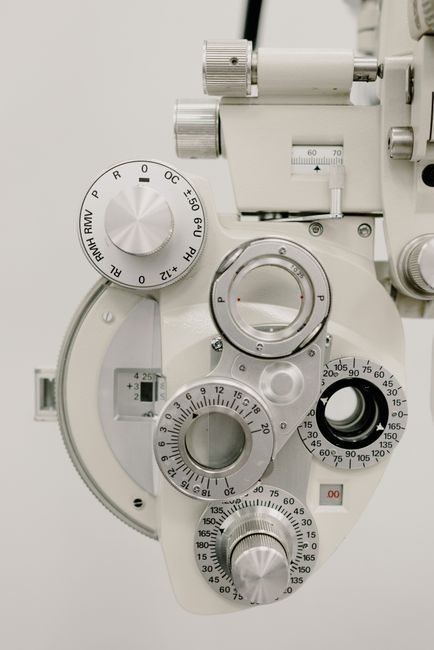
🔁 The Bigger Picture: One practice's retired phoropter becomes a startup's first phoropter. Selling used equipment isn't just clearing space. It keeps quality instruments in service and helps a newer practice get off the ground affordably.
Turn Idle Instruments Into Cash
Equipment you no longer use is only losing value the longer it sits. A quick photo and a short conversation can turn it into money in the bank instead. When you're ready to sell ophthalmic equipment, get in touch with our team and we'll give you a fair offer.
FAQs
What's the best way to sell ophthalmic equipment for a fair price?
The best way to sell ophthalmic equipment is to work with a buyer who repairs and resells these instruments, since they know the true market value. Provide clear photos, model details, and serial numbers up front. That lets the buyer make an accurate, fair offer without lowballing for unknowns.
Do I need to repair my equipment before selling it?
Usually not. Most buyers who recondition equipment expect to do that work themselves and price the offer accordingly. Minor repairs occasionally raise resale value enough to be worth it, but selling as-is is often the simpler, faster choice.